


Creating a dedicated workspace at home can be a game changer for your productivity and overall work experience. Whether you work remotely full-time, freelance, or occasionally bring work home, an organized and well-designed home office helps you focus, reduces stress, and sets clear boundaries between work and personal life. In this post, we’ll explore effective tips to create a workspace that is both organized and conducive to productivity.
Why an Organized Workspace Matters
Before diving into the tips, it’s important to understand why workspace organization can influence your work:
– Minimizes distractions: A clutter-free space helps you concentrate on tasks without unnecessary interruptions.
– Saves time: When everything has a place, you avoid wasting time searching for documents or tools.
– Enhances motivation: A clean and inviting workspace can improve your mood and encourage you to work efficiently.
– Supports healthy habits: Proper ergonomics and good lighting also contribute to your physical well-being.
Choosing the Right Location
1. Find a Quiet Spot
Choose a place with minimal noise and interruptions. This may be a spare room, a corner in your living room, or a section of your bedroom. The less traffic and noise, the better you can focus.
2. Consider Natural Light
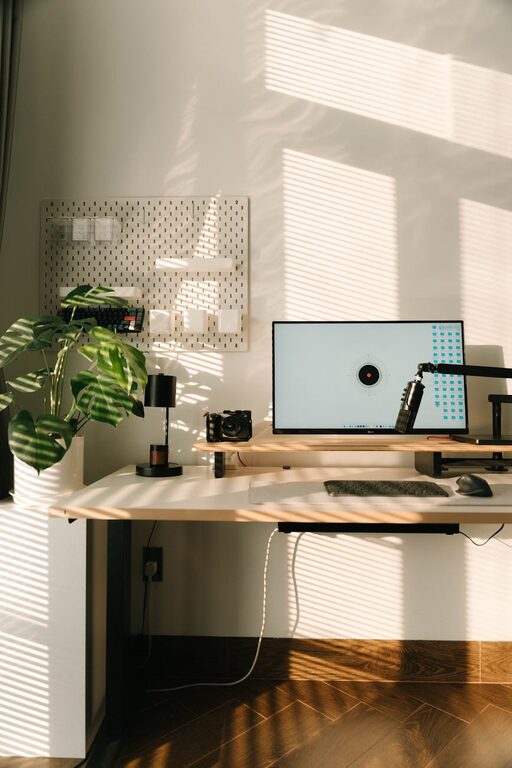
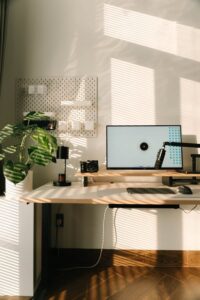
Natural light can boost mood and reduce eye strain. Position your desk near a window if possible, but avoid glare on screens by adjusting the angle or using blinds.
Designing Your Workspace
3. Invest in Ergonomic Furniture
Comfortable seating and a supportive desk are essential. An ergonomic chair with adjustable height, lumbar support, and armrests can prevent back and neck pain during long hours. The desk height should allow your elbows to rest at about 90 degrees.
4. Keep It Simple
Avoid overcrowding your desk with unnecessary items. Only keep tools and supplies you use daily within reach. Use minimal décor that inspires you without causing distractions.
Organizing Tools and Supplies
5. Use Storage Solutions
Invest in storage options like shelves, filing cabinets, or desk organizers to keep papers, office supplies, and gadgets neatly arranged. Label storage containers to easily find what you need.
6. Digitize Documents
Reduce paper clutter by scanning important documents and saving them on your computer or cloud storage. This also makes it easier to back up and access files anywhere.
7. Cable Management
Tidy up your cords with cable clips or sleeves to prevent tangling and keep your desk looking clean. This also reduces accidents like tripping over wires.
Establishing Productivity Habits
8. Create a Daily Routine
Set consistent start and end times for your workday. A structured routine helps mentally separate work hours from personal time.
9. Prioritize Tasks
Use to-do lists or digital tools to prioritize daily tasks. Breaking larger projects into smaller steps can make them feel more manageable.
10. Take Breaks Regularly
Schedule short breaks throughout the day to stand up, stretch, or take a quick walk. This improves focus and helps prevent fatigue.
11. Minimize Distractions
Turn off non-essential notifications on your phone or computer. Inform family members or housemates of your work hours to reduce interruptions.
Personalizing Your Space
12. Add Personal Touches
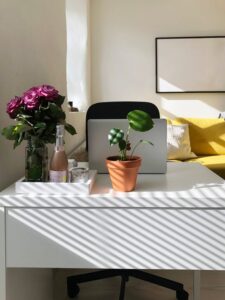
Include items like a favorite plant, artwork, or photos to make your workspace enjoyable. A pleasant environment can energize you without distracting from work.
13. Incorporate Calming Elements
Soft colors, natural materials, or a small water fountain can create a sense of calm and reduce stress during a busy day.
Maintenance and Review
14. Declutter Weekly
Set aside time each week to tidy your workspace, discard unnecessary items, and reorganize supplies. This keeps your area fresh and ready for productive work.
15. Adjust as Needed
Regularly assess what’s working and what isn’t. Your needs might change depending on projects or seasons. Be open to rearranging or upgrading items to improve comfort and efficiency.
—
By following these tips, you can create a home workspace that supports your productivity and well-being. Remember that an organized workspace is not just about appearance — it’s about building an environment where you can work effectively and comfortably every day. Start small, experiment, and tailor your space to your unique needs. Happy working!


More Stories
Tips for Creating a Relaxing Home Office Environment to Boost Productivity
Tips for Creating a Cozy and Inviting Home Office Space
Tips for Creating a Cozy and Inviting Home Office Space